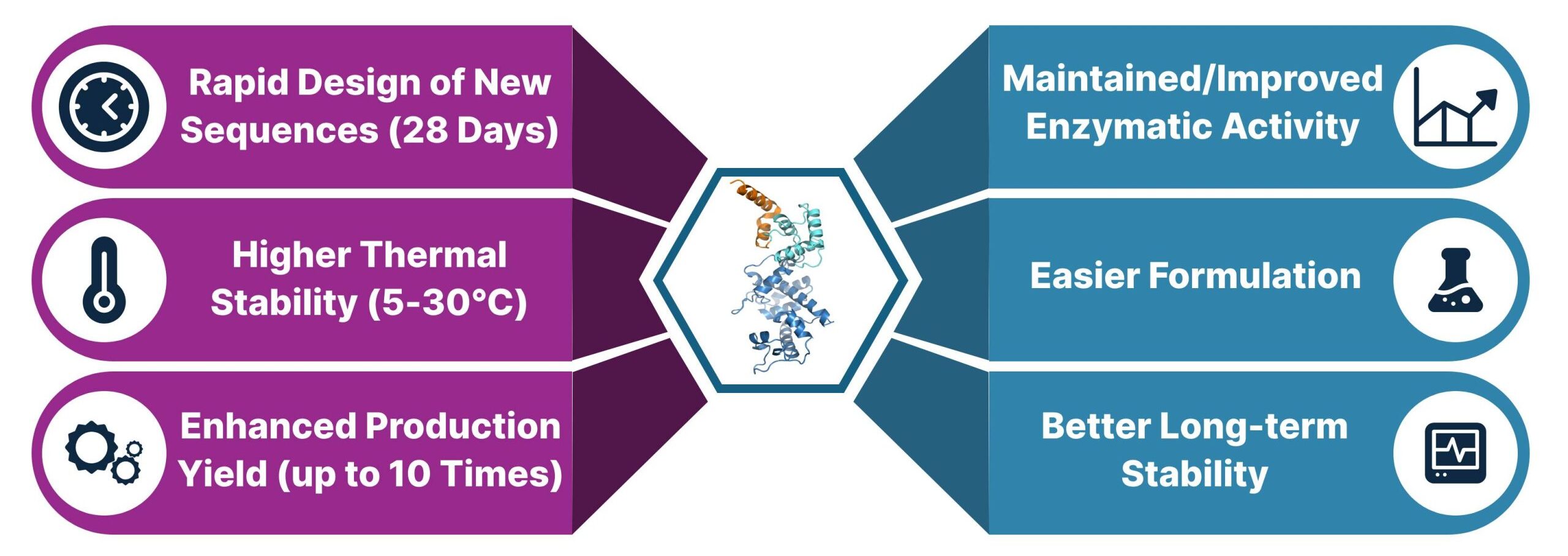
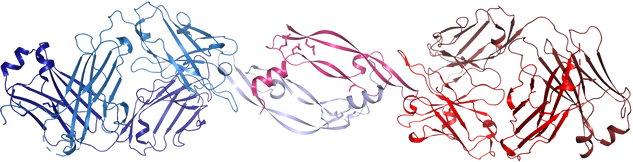
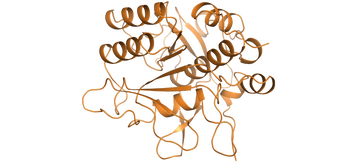
AI protein design revolutionizes biotechnology by leveraging advanced algorithms to predict and engineer proteins with specific functions, significantly speeding up processes like drug discovery, vaccine development, and enzyme optimization. It allows researchers to model complex protein structures with high accuracy, minimizing the need for costly and time-consuming lab experiments. This technology enables the creation of highly targeted therapeutics and supports the design of proteins for sustainable applications like biofuels and biodegradable materials. Additionally, AI-driven protein design aids in understanding disease mechanisms by simulating protein interactions, paving the way for personalized medicine and innovative solutions in agriculture, such as pest-resistant crops. By streamlining design cycles and enhancing precision, it transforms industries reliant on biological systems.
Advantages of AI-Based Protein Design
Applications
Therapeutic Proteins
(e.g. antibodies, hormones, enzymes)
Insulin
Monoclonal antibodies erythropoietin (EPO)
Human growth hormone (hGH)
Interferons
Vaccines (recombinant)
Enzymes (e.g., asparaginase, glucocerebrosidase)
Hematopoietic growth factors
Protein-based cytokines
Fusion proteins
Biosimilars engineered antimicrobial peptides
Industrial Proteins
(e.g. detergent enzymes)
Proteases
Lipases
Amylases
Cellulases
Laccases
Alkaline phosphatases
Surfactant proteins
Glucosidases
Not sure yet?
Receive our AI protein design flyer with all the information on how the process works.